

Our forests provide much more than timber. They store carbon, support biodiversity, provide employment, and offer places for relaxation and connection with nature. But how can we manage forests sustainably in an era of climate change, biodiversity loss, and increasingly competing interests?
Text: Nordic Network on Forest Policy Science/Enjema Fanny Mbwange
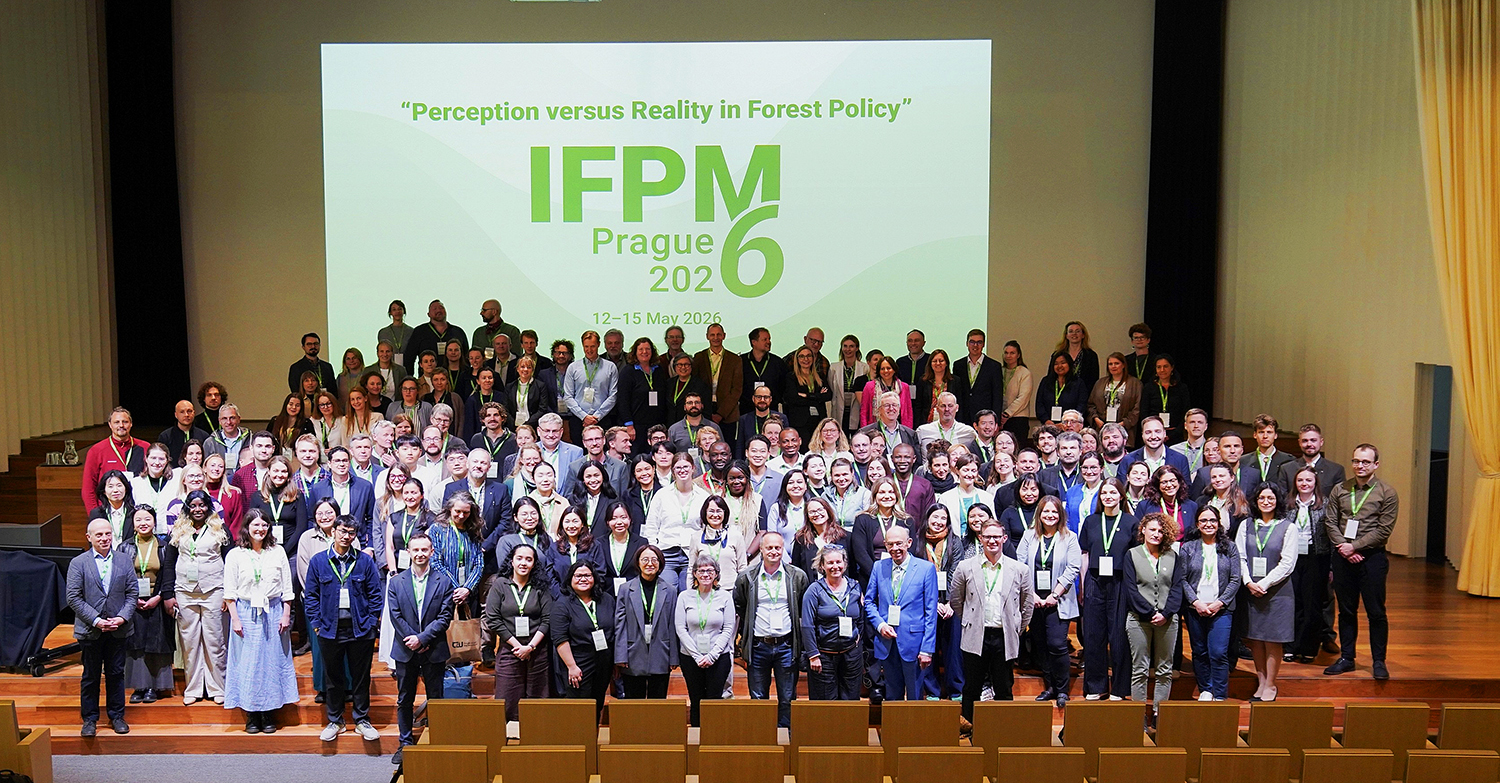 This was one of the central questions discussed at the 6th International Forest Policy Meeting (IFPM6), held in Prague under the theme “Perception Versus Reality in Forest Policy”. A total of 26 Swedish forest policy scientists joined researchers, policymakers, and practitioners from across Europe and beyond to explore the challenges facing forest policy today.
One strong message from the opening session was that there is a growing mismatch between how forests are perceived and what happens in practice. Parts of society increasingly see forest management as a threat to nature, while practitioners often see active forest management as essential for balancing biodiversity, climate adaptability, and timber production. These different perceptions are shaping today’s forest policy debates.
One promising idea emerging from the discussions was the creation of integration forums – spaces where researchers, policymakers, forest owners, and other stakeholders can openly discuss competing interests and jointly shape forest policy. Such forums could provide a more structured interaction between science, policy, and practice, helping to overcome today’s fragmented decision-making processes.
This is particularly relevant for the Nordic countries, where debates about harvesting methods, biodiversity protection, climate policy, and forest ownership structures are becoming increasingly visible. Better communication, dialogue, and collaboration could help reconcile different perspectives and strengthen public trust in forest policy.
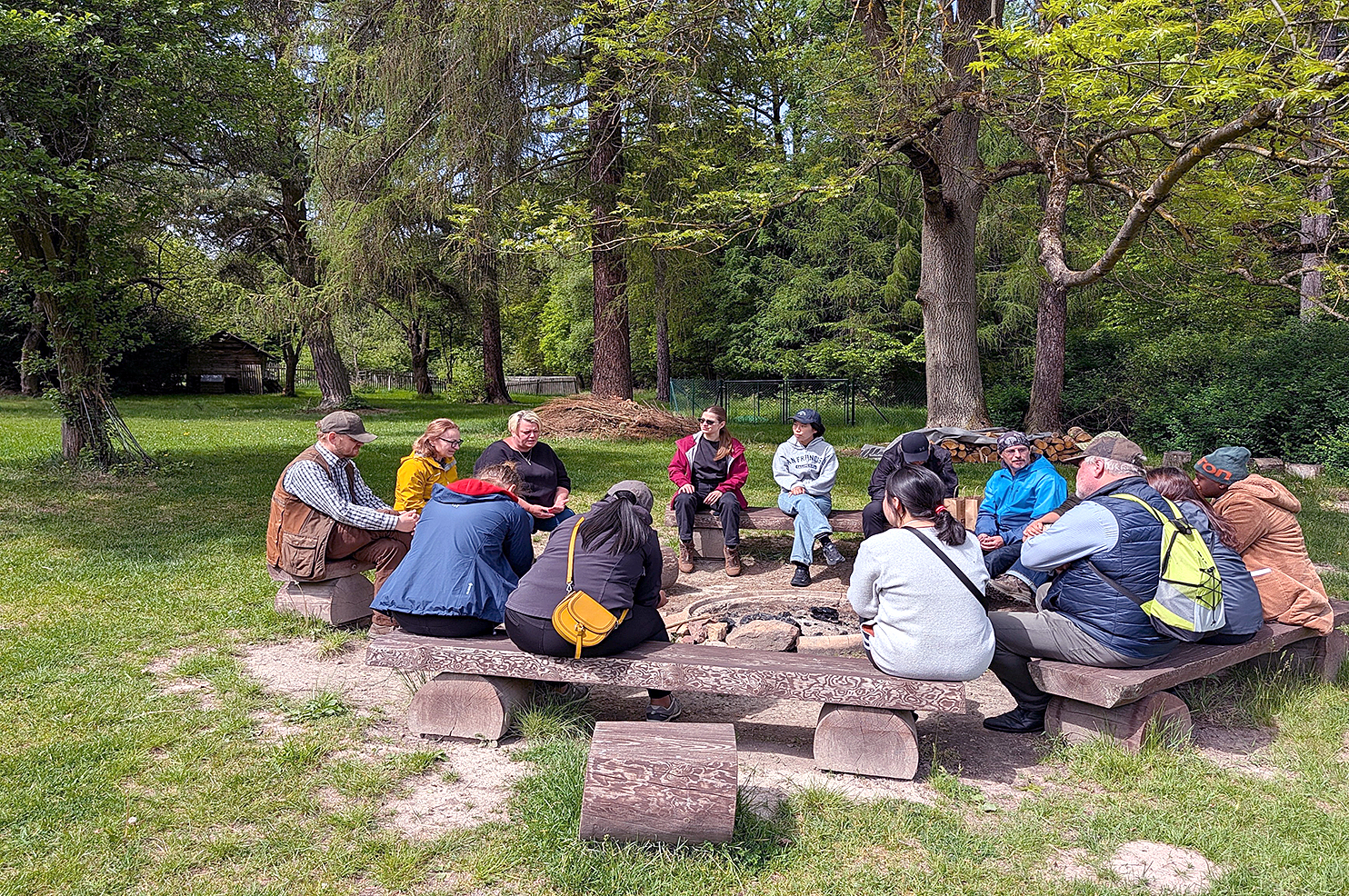 Another issue highlighted at the conference was the growing complexity of forest-related regulations. We were surprised to hear that there are now more than 600 EU forest-related policy objectives and 300 policy instruments. While these policies address important challenges, they can also promote uniform, one-size-fits-all solutions that do not always take local conditions into account. This can create additional burdens for forest owners and managers.
A more flexible approach may therefore be needed – one that combines broader European objectives with solutions adapted to local circumstances. This is particularly relevant for Nordic forestry, where ecological conditions, ownership structures, management traditions, and economic circumstances differ from those in much of the rest of Europe. The question is therefore: how can forest policies be both effective and flexible enough to reflect diverse forest realities?
Forest disturbances provided another important topic for discussion. Storms, fires, and pest outbreaks are affecting forests across Europe, but the causes of forest vulnerability are complex. While bark beetles are often blamed for increasing forest decline, vulnerability can also be linked to past management practices, including monocultures and limited species diversity. For the Nordic countries, which are increasingly facing climate-related disturbances, IFPM6 provided a timely reminder of the importance of adaptive forest governance.
The conference also highlighted the changing role of forest advisory services, often referred to in the EU context as Forest Knowledge and Innovation Systems (FOKIS). In many European countries, advisory services are becoming smaller and more fragmented. Overregulation and a lack of trust in private advisory services can further hamper their development. Yet effective advisory systems are essential for providing forest owners with reliable and trustworthy information. For the Nordic countries, investing in trusted knowledge-sharing networks could therefore play an important role in supporting climate adaptation and sustainable forest management.
Beyond the scientific discussions, one of the most valuable outcomes for Nordic researchers was the opportunity to place Nordic forestry experiences in a broader European context. IFPM6 strengthened professional networks and created opportunities for future collaboration and joint applications for research funding.
Overall, the conference showed that sustainable forest governance is not only about finding the right technical solutions. It also requires better dialogue, stronger links between science, policy and practice, and policies flexible enough to reflect the diversity of forest realities.
Contact
Enjema Fanny Mbwange, +46 72 933 31 71,
Vilis Brukas, +460 70 545 34 99,