Beneath the Nordic forests lies a silent climate regulator that has long been overlooked: the soil. Now, researchers from the MoniForSoil network have developed a first-of-its-kind protocol to monitor soil health using environmental DNA (eDNA). The breakthrough enables countries to compare soil biodiversity data across borders for the first time, just as the EU introduces new soil monitoring laws.
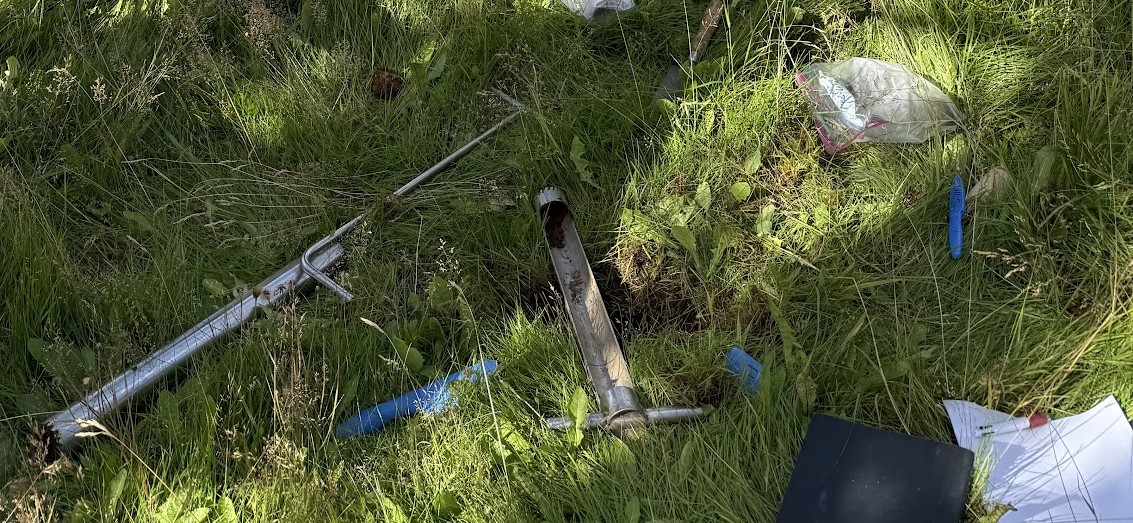
Soil sampling equipment prepared for harmonised eDNA sampling within the MoniForSoil network. Hveragerði, september 3rd 2025. Photo: Helena Marta Stefánsdóttir
The new, common Nordic protocol for collecting soil samples for eDNA analysis is now making it possible to assess soil health in a scalable and robust way across the Nordic and Baltic countries.
Environmental DNA allows researchers to study soil biodiversity by identifying traces of microbes, fungi, and other life forms that are difficult to observe directly. The MoniForSoil partners have prepared a shared sampling and transport protocol, ensuring that samples from different countries can be analyzed in a comparable way. This is critical for building scientifically robust monitoring systems that can assess soil health consistently across the Nordic nation borders.
– Bringing together scientists from around the world to discuss, refine, and adapt methods in ways that enable comparisons of soil data between countries is invaluable to the scientific community. The collaboration within the MoniForSoil network has played an important role in continuously improving the quality, consistency, and comparability of the data collected in each participating country. Such collaborative networks promote the harmonization of sampling methods and data management practices, increasing the reliability and scientific value of soil monitoring data. In turn, this strengthens the scientific basis for understanding soil health, biodiversity, and long-term environmental change, says Helena Marta Stefánsdóttir, coordinator for MoniForSoil network.
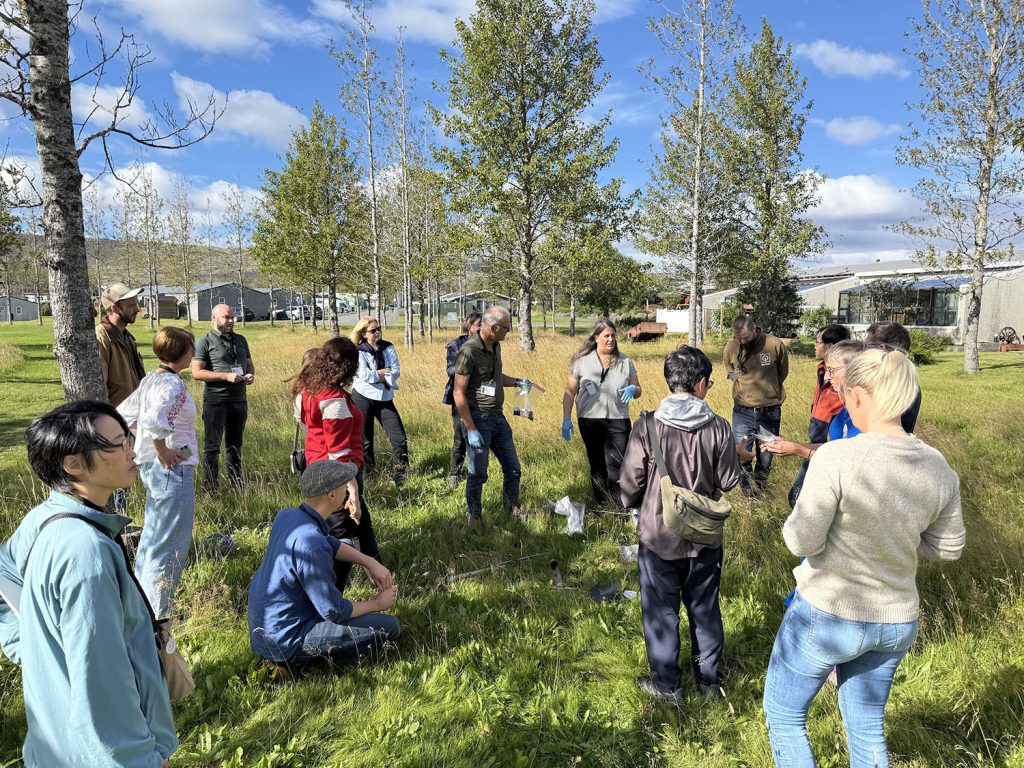
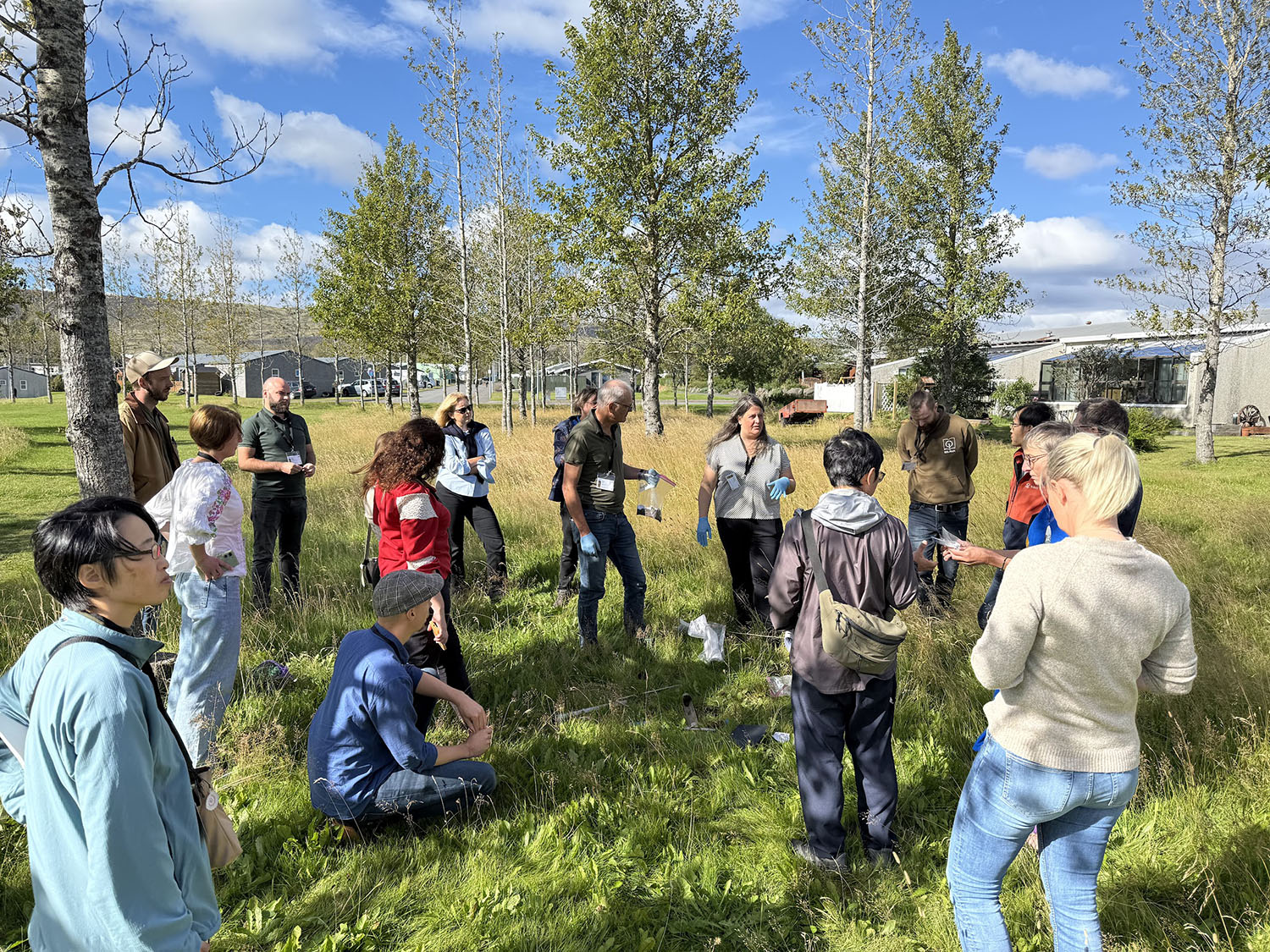
Field discussion on soil monitoring methods during the MoniForSoil meeting in Iceland. Hveragerði, Iceland, September 3, 2025. Photo: Helena Marta Stefánsdóttir
The network is also helping Nordic countries implement the EU’s new Soil Monitoring and Resilience Regulation – turning legal requirements into practical field methods. In Latvia, for example, MoniForSoil contributed to the development of the national system for soil monitoring, including sampling plot design and methodologies.
A major challenge in the region is that soils vary greatly, from Iceland’s volcanic Andosols to the boreal forests’ mineral-rich soils. MoniForSoil created a platform for researchers to compare experiences and harmonize monitoring approaches. The network also opened dialogue with scientists from Japan, Canada, and Ukraine, broadening the scientific perspective.
For Nordic societies, the benefits are clear: better soil monitoring means better evidence for forest management, biodiversity protection, and climate mitigation.
– It has been a pleasure to work with the dedicated people within the network and to witness the strong commitment to sharing knowledge, results, and experiences among scientists working toward the common goal of increasing awareness of the importance of soil monitoring for sustainable land management and climate resilience, says Helena Marta Stefánsdóttir.
The pilot project is still ongoing, but the protocol itself is already a major step toward harmonized soil biodiversity assessment. With comparable data, Nordic countries can now build monitoring systems that are scalable, credible, and ready for the challenges of climate change.
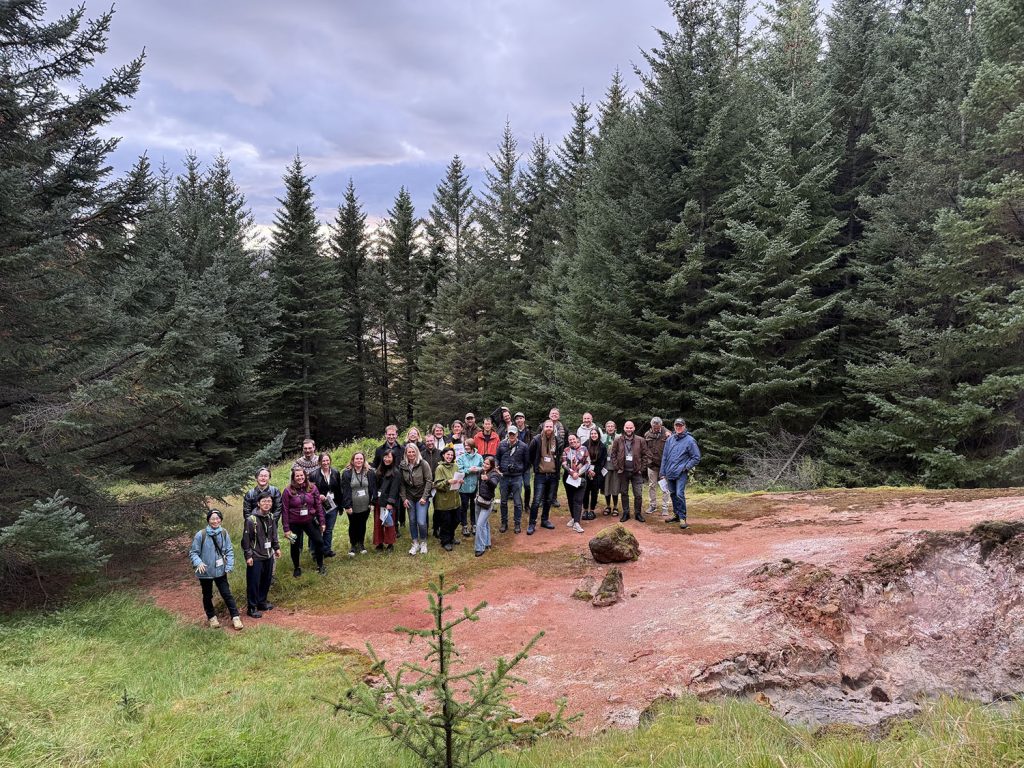
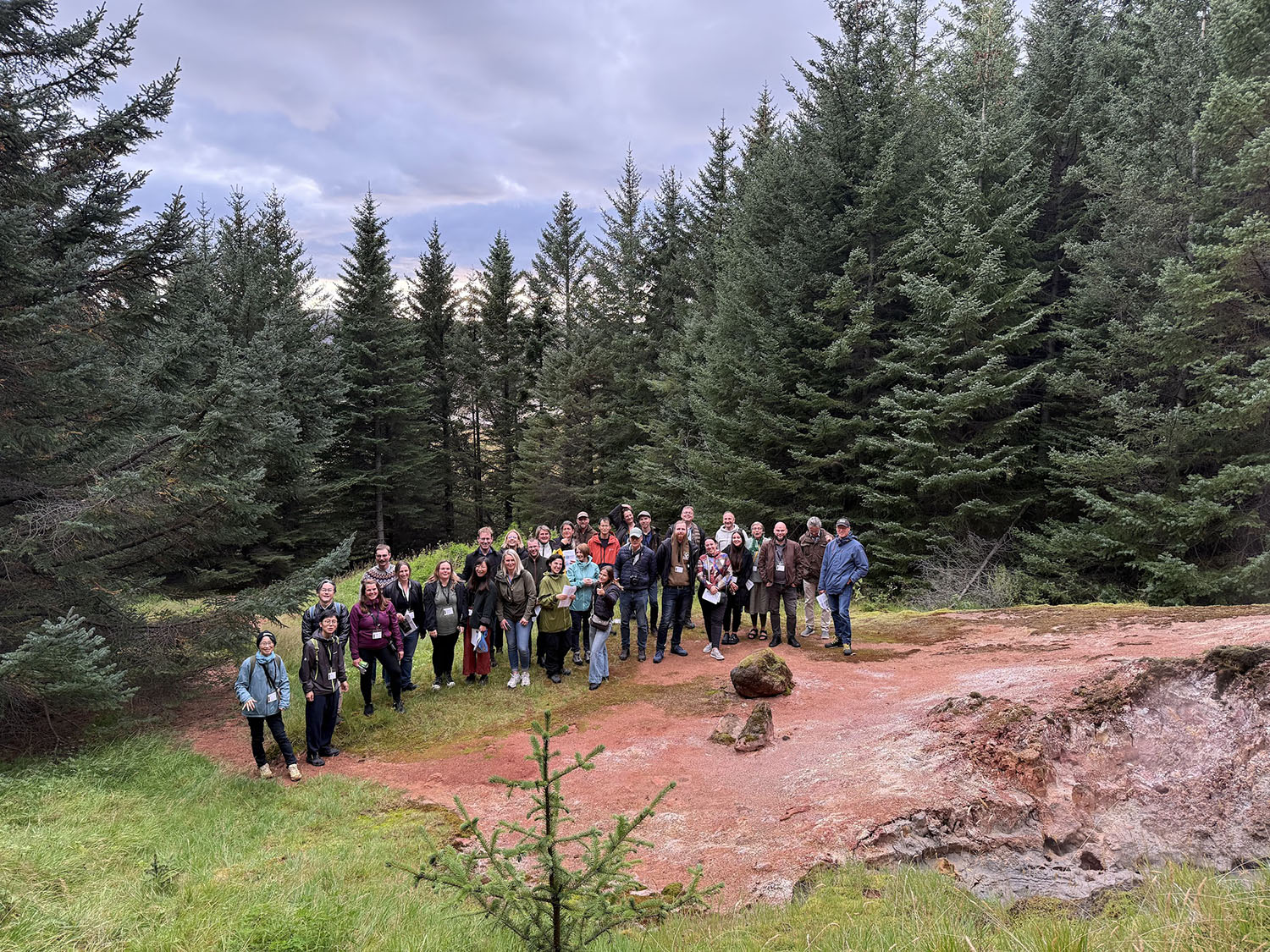
Participants of the MoniForSoil conference in Iceland, held on 1–2 September 2025. Photo: Helena Marta Stefándóttir
Do you know someone interested?